
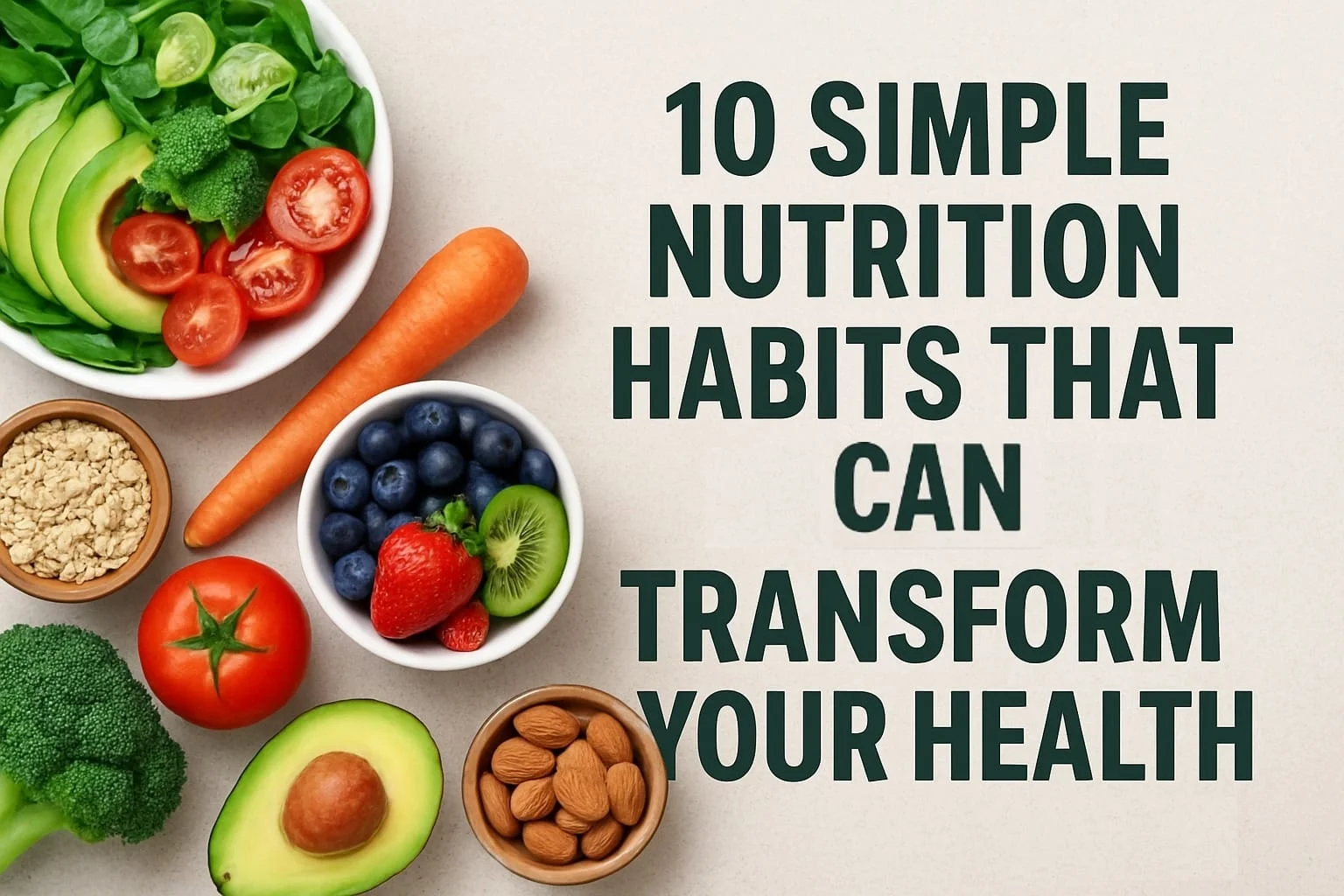
When it comes to healthy nutrition, small changes can lead to significant improvements in your health. Good health doesn’t have to come from strict diets or complicated rules. Simple changes in your daily habits can make a huge difference to how you feel, look, and live. The key is consistency. By incorporating simple, mindful habits into your daily life, you can boost your energy, improve digestion, and maintain a healthier weight, all with minimal effort.
In this article, we will explore 10 simple nutrition habits that can transform your health, along with practical tips to help make these habits work for you. These habits are easy to follow, realistic, and can bring big changes to your health over time. Let’s dive into these simple habits that can transform your life for the better. Save this for yourself or pass it along to a friend or family member who is thinking of making some lifestyle changes this season.
1. Start Your Day Properly Hydrated
Drinking water first thing in the morning is among the best things you can do for your body. Our bodies lose water during the night, and when we wake up, we are usually dehydrated to a certain degree. Once your body has been sleeping for several hours, it needs water to become properly hydrated again and start functioning like it should. The right type of water can also give you a burst of energy and make your digestive system more effective.
Tip: Experiment with infused water using ingredients such as soaked fenugreek seeds, raisins, or chia seeds. Fenugreek water is a great choice for blood sugar regulation, and raisin water is said to have liver detoxifying effects. Chia seeds help in weight loss and digestion. Alternatively, lemon and honey in lukewarm water are great for boosting metabolism and cutting body fat.
2. Add More Superfoods and Antioxidants to Your Diet
Superfoods are nutrient-packed foods that can help protect your body from diseases and keep you healthy. These foods contain vitamins, minerals, and antioxidants that have the ability to combat inflammation and strengthen your immune system. Antioxidants protect our cells against damage caused by toxins called free radicals. This can lower the risk of chronic diseases and help you look and feel younger.
Tip: Include foods such as berries, sprouts, leafy greens, and herbs such as ashwagandha, raw turmeric, ginger, and amla in your daily diet. These foods can enhance immunity, fight inflammation, and maintain overall well-being.
3. Mindful Snacking
We all get cravings for snacks, but the secret is to pick healthy choices that give us long-lasting energy and health benefits. Unconscious snacking on chips or sweets doesn’t give us any nutritional value, but only adds to caloric intake unnecessarily. Healthy snacks maintain your energy levels stable throughout the day and prevent you from overeating during meals. Selecting snacks with high fiber content, protein, and healthy fat will also curb your cravings.
Tip: Keep healthy munchies such as ghee-roasted makhanas (foxnuts), almonds, walnuts, roasted chanas, or a combination of seeds to munch on during the day. Fresh fruits also work as a good option if you are in a hurry!
4. Restrict Sugar Consumption
Sugar happens to be one of the most common culprits when it comes to weight gain, inflammation, and poor metabolic health. Having a dessert once in a while is okay, but be careful of your sugar intake, especially hidden sugars in processed food. Excessive sugar consumption can lead to multiple health issues such as obesity, Type 2 diabetes, and heart disease. Sugar spikes your blood glucose levels, leading to insulin resistance and fat accumulation. It also contributes to tooth decay.
Tip: When a sweet craving occurs, a piece of dark chocolate or a few dates are natural and healthier alternatives.
5. Have a Healthy, Nutritious Breakfast
Breakfast is the most important meal of the day. It provides your body with the energy it requires to begin the day on the right note. A good breakfast contains a high content of protein, fiber, and healthy fats, which keep you full and energized until you eat again. You are more likely to overeat throughout the day if you don’t eat breakfast, and it will also leave you feeling fatigued. A healthy breakfast will also help regulate your blood sugar levels and improve focus and productivity.
Tip: Have meals such as poha or upma prepared with vegetables, steamed sprouts, smoothies, or oatmeal sprinkled with seeds and nuts. Avoid sweet spreads such as jams or packaged juices, and go for a better-balanced plate to begin your day.
6. Go for Unrefined, Organic, and Whole Foods
The more natural and less processed your food, the healthier it will be for your body. Processed and overly refined foods lose much of their nutritional content and will negatively affect your health in the long term. Whole, unprocessed foods are more nutrient-dense and less filled with bad fats and sugars. They are also easier for your body to digest and process, providing you with sustained energy throughout the day.
Tip: Opt for whole grains such as unpolished wheat flour and unpolished rice. Organic vegetables and fruits are also a better option since they are richer in nutrients and do not contain toxic pesticides. Buy fresh, seasonal produce to get the most nutrients.
7. Add More Omega-3 Fatty Acids to Your Diet
Omega-3 fatty acids are fats that are needed to maintain the health of your heart, brain, and eyes. Not only do they promote brain health and healthy cholesterol levels, but they also enable your body to work properly as a whole. Omega-3s also lower your chances of having heart disease and diabetes, which are chronic diseases.
Tip: Although fish is the most widely recognized source of omega-3, you have ample plant sources as well. If you are a vegetarian or a vegan, make sure to incorporate flaxseeds, hemp seeds, chia seeds, and walnuts into your diet. It is very easy to incorporate them in smoothies, oatmeal, or salads.
8. Restrict Caffeine Consumption
Caffeine is a great energizer, but excessive consumption of it leads to jitters, disrupts your sleep pattern, and impacts nutrient absorption. If you are a frequent coffee or chai consumer, be careful about the amount that you take in. Too much caffeine can cause insomnia, stress, and problems with the digestive system. It can also get in the way of the absorption of essential nutrients such as calcium, iron, and magnesium. It can also addict you, causing energy crashes in the afternoon.
Tip: Make an effort to cut back on caffeine and stick to a cup or two of a small cup each day. Don’t drink chai or coffee directly after meals because it can prevent the absorption of key nutrients. If you feel you need a warm beverage, have herbal teas such as chamomile or peppermint, which have a relaxing effect without the caffeine boost.
9. Reduce Deep-Fried Foods and Opt for Healthy Fats
Fried foods might taste great, but they are full of unhealthy fats that are terrible for your heart and weight. Opt to eat healthy fats that will nourish the body and maintain your levels of health. Healthy fats like those in avocados and nuts, etc. are necessary for your brain, skin, and heart. They help in the absorption of vitamins and keep your body balanced, while deep-fried foods can cause weight gain and health problems.
Tip: Cook using ghee or olive oil and restrict deep-fried snacks. Treat yourself once in a while, but opt for healthier versions most of the time. A small spoonful of A2 cow ghee in the morning on an empty stomach with warm water can even detoxify your body and aid fat-loss.
10. Portion Control
Consume the right portion sizes to avoid overeating and maintain a healthy weight. It’s not dieting; it’s mindful eating and learning when to stop. Eating larger portions than what your body needs can make you gain weight, exert unnecessary pressure on your digestive system, and even lead to bloating. By controlling your portion sizes, you are able to enjoy your meal without stuffing too much food into your body.
Tip: Try adding smaller portions to your plate, and if you are still hungry, wait 10 minutes before serving again. Often times, your body will begin to identify that you are full. If you are out for a meal, share a dish with someone or ask the server for a half portion to prevent overeating.
Final Thoughts
By implementing these 10 easy nutrition habits in your life, you can see a radical change in your energy levels, digestion, and general well-being. By introducing these small changes, such as drinking water first thing in the morning or cutting down on deep-fried food can make a noticeable difference to your long-term health. Just take your time, make small changes, and before you know it, some of these habits will be your new normal. Eating healthy is not rocket science; it is simply a matter of making conscious, consistent decisions. Follow these tips and trust us, your health will thank you for it!
Pingback:8 Easy Morning Habits For A Better & Healthier Life