
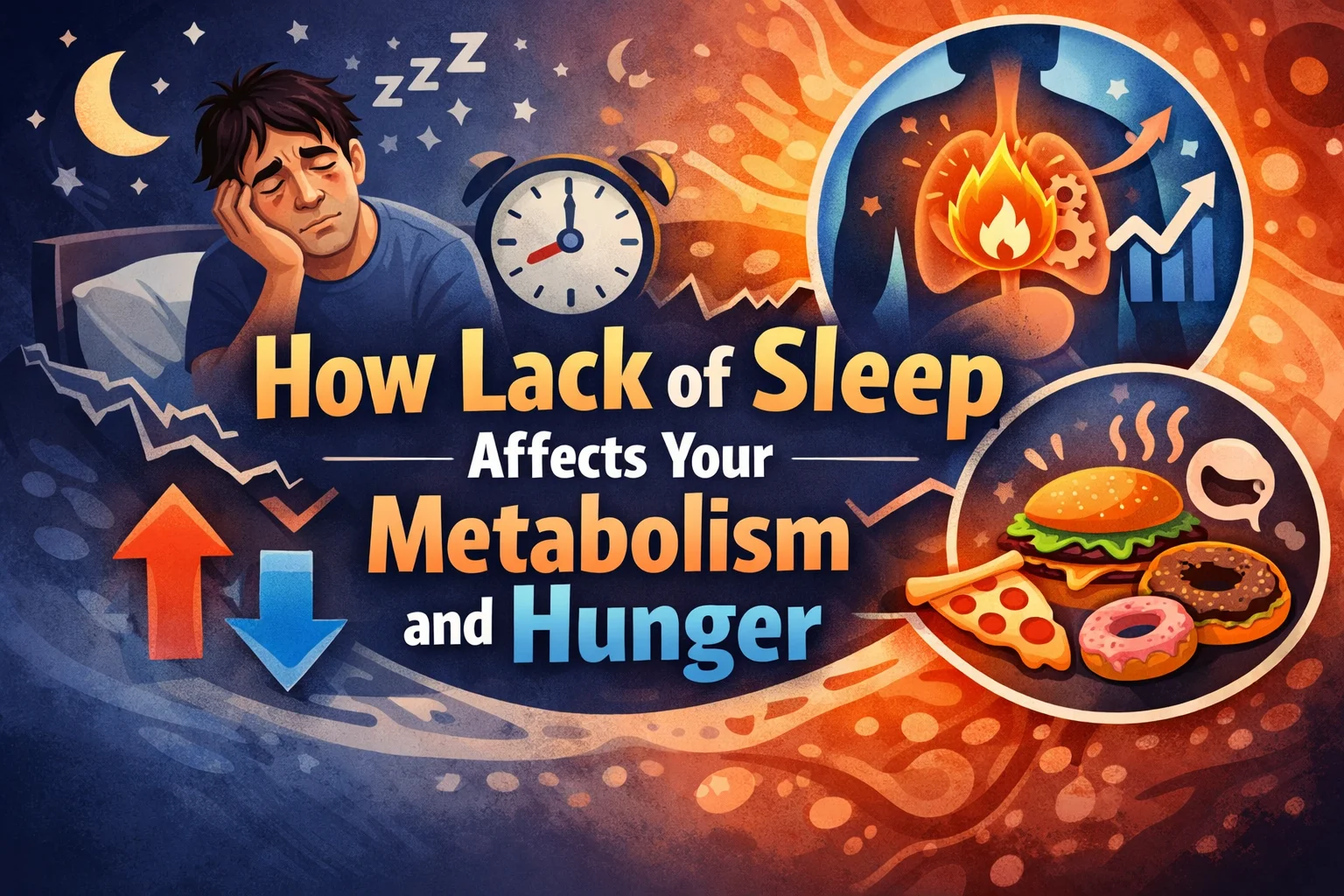
If you have ever tried to lose weight, you know that diet and exercise are key players. But there is another often-overlooked factor that could be sabotaging your efforts, and that’s sleep. Yes, you read that right! Poor sleep can have a serious impact on your metabolism, hormones, and hunger signals, making it harder to shed those extra pounds. So, let’s take a closer look at how sleep plays a major role in your weight loss journey and why it’s just as important as diet and exercise.
How Sleep Impacts Your Metabolism and Weight Loss Journey
In this article, we’ll explore how sleep and weight loss are closely linked and why sleep deprivation can lead to weight gain. We’ll explore how sleep affects hunger hormones like ghrelin and leptin, which can increase your cravings and appetite. You’ll also find out what the latest studies say about how sleep influences food choices, stress, and fat storage, especially around the belly. Let’s take a closer look at how sleep plays a key role in your weight loss goals!
Why Sleep Matters for Weight Loss
We’ve all heard the saying, “Get your beauty sleep,” but it’s not just about looking rested; it’s about feeling good and staying healthy. Getting enough quality sleep plays a crucial role in regulating hormones, metabolism, and overall well-being. When you are sleep-deprived, your body’s ability to burn calories efficiently and manage hunger is significantly impacted.
In fact, studies show that poor sleep can lead to weight gain by interfering with the balance of key hormones that control hunger and metabolism.
How Poor Sleep Affects Your Metabolism
Your metabolism is essentially the process your body uses to convert what you eat and drink into energy. When you get a full night of rest (typically around 7-9 hours for adults), your metabolism functions efficiently, helping you burn calories at a healthy rate. However, when you don’t get enough sleep, your body’s metabolism slows down, making it harder to burn those calories and lose weight.
A 2024 study published in the journal Metabolism showed that participants who slept less than 6 hours a night burned fewer calories throughout the day, which directly impacted fat burning. This slowing of metabolism means that people who don’t get enough sleep might be more prone to storing fat instead of burning it.
The Hormones That Control Hunger: Ghrelin and Leptin
Two key hormones, ghrelin and leptin, control your hunger and appetite, and they are both impacted by poor sleep. Let’s break it down:
- Ghrelin: Often called the “hunger hormone,” ghrelin signals your brain that it’s time to eat. When you are sleep-deprived, your body produces more ghrelin, leading to increased hunger and cravings, especially for high-calorie, unhealthy foods.
- Leptin: Leptin, on the other hand, signals to your brain that you are full and should stop eating. Lack of sleep decreases leptin levels, so your brain doesn’t get the signal to stop eating even after you’ve had enough.
In short, sleep deprivation increases ghrelin and decreases leptin, making you feel hungrier and less satisfied after meals. This imbalance can result in overeating and eventually, weight gain.
A 2025 study published in The Journal of Clinical Endocrinology & Metabolism found that short sleep duration led to a 25% increase in ghrelin levels, while simultaneously reducing leptin by up to 15%. This reinforces the idea that poor sleep disrupts the body’s ability to regulate appetite properly.
What Research Says About Sleep and Weight Loss
Recent research on sleep and weight loss reveals just how powerful a good night’s sleep can be for weight management. According to a 2024 survey by the Sleep Foundation, 70% of people who reported sleeping 7-9 hours per night had an easier time managing their weight, compared to those who slept less than 6 hours. The findings also emphasized that quality sleep is critical for controlling appetite and making healthier food choices throughout the day.
Another 2025 study from The Obesity Society found that participants who improved their sleep duration by just 1 hour per night experienced a significant reduction in cravings for sugary snacks, leading to a reduction in daily calorie intake and a noticeable drop in body fat over the course of 6 months.
Poor Sleep Affects Your Food Choices
In addition to making you hungrier, poor sleep can also influence your food choices. When you are tired, your body craves energy, specifically, sugar and fat. That’s why many people find themselves reaching for sweets, salty snacks, or fast food after a bad night’s sleep.
A 2024 study from Harvard Medical School showed that people who were sleep-deprived chose foods that were higher in calories, sugar, and fat, indicating that poor sleep can not only make you eat more, but it can also change your food preferences. The research highlighted that people with insufficient sleep were twice as likely to crave junk food as those who had adequate rest.
Sleep, Cortisol, and Belly Fat
When you are sleep-deprived, your body produces more of the stress hormone cortisol, which is linked to increased fat storage, particularly around the belly. High cortisol levels can make it easier to gain weight and harder to lose it, especially in the abdominal area, which is often referred to as “belly fat.” This is why chronic stress and poor sleep can contribute to increased abdominal fat.
A 2024 study from The International Journal of Obesity found that people who slept an average of 5 hours per night had much higher cortisol levels and more deep body fat (visceral fat) compared to those who got 8 hours of sleep. This shows that not getting enough sleep doesn’t just affect how your body burns calories, but also how it stores and spreads fat.
How Much Sleep Do You Need to Lose Weight?
For most adults, getting around 7-9 hours of sleep is ideal. If you are trying to lose weight, getting enough sleep is just as important as maintaining a balanced diet and regular exercise. In fact, improving your sleep could be the missing piece to your weight loss puzzle!
Tips for Better Sleep to Support Weight Loss:
- Stick to a Sleep Schedule: Go to bed and wake up at the same time every day, even on weekends. This helps regulate your body’s internal clock.
- Limit Caffeine and Alcohol: Both can interfere with the quality of your sleep. Try to avoid them in the afternoon and evening.
- Create a Sleep-Friendly Environment: Make your bedroom cool, dark, and quiet. Consider using earplugs, a sleep mask, or a white noise machine if needed.
- Avoid Screens Before Bed: The blue light emitted by phones and computers can mess with your melatonin production, making it harder to fall asleep.
- Relaxation Techniques: Practice relaxation methods like deep breathing, meditation, or yoga before bed to reduce stress and promote better sleep.
Related Reads: The Ultimate Guide To Improving Sleep: Tips, Remedies & Tech Solutions For Better Rest
Conclusion: Better Sleep = Better Weight Loss
The connection between sleep and weight loss is undeniable. Poor sleep can disrupt your metabolism, increase hunger, and make you crave unhealthy foods, all of which can lead to weight gain. By focusing on getting enough sleep and improving your sleep quality, you can naturally support your weight loss goals and set yourself up for a healthier lifestyle.
So, the next time you are tempted to skip a few hours of sleep to squeeze in more work or binge-watch your favourite show, remember that a good night’s sleep could be the secret to better weight loss results. Prioritise rest; it’s an essential part of your wellness journey!