
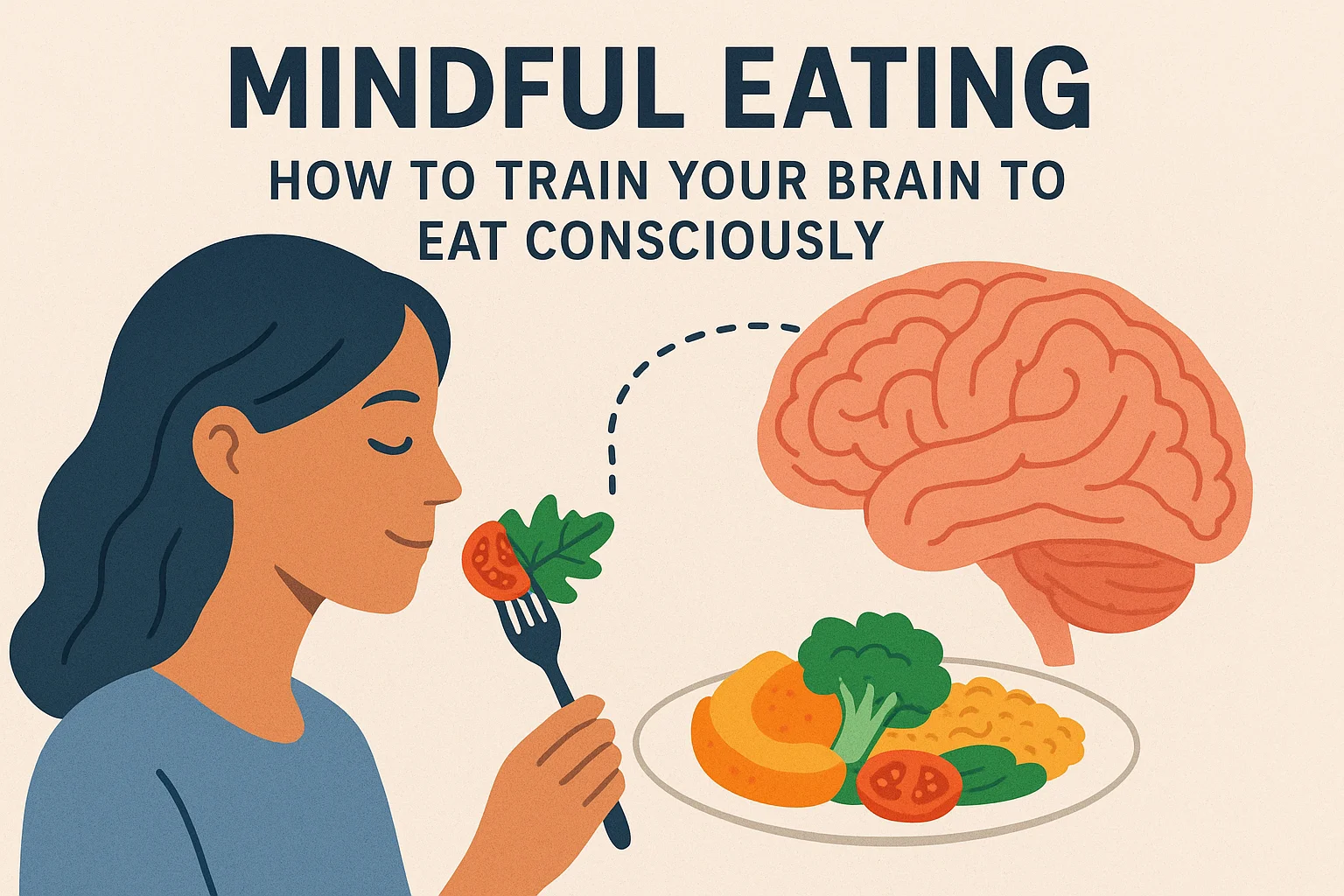
Eating in today’s fast-paced world has become a routine, a mindless act of either having snacks after snacks on the go or eating in front of screens or hurrying up to tick it off the ‘to-do list’. But what if we told you that how you eat is equally important as what you eat? Enter mindful eating: the practice of slowing down and paying attention to every bite, from first to last.
Mindful eating isn’t a fad; it’s a game-changer for your health. By becoming more aware of what you eat and how you eat, you can unlock a wide array of benefits, from improved digestion to weight management and better mental health.
This article will discuss how to train the brain in eating consciously, recognizing hunger cues, and breaking free from emotional eating habits. Also, we’ll be discussing how mindful eating aligns with healthy nutrition habits and why superfoods are important additions to the body and mind.
What is Mindful Eating?
Mindful eating is the process of eating a meal with attention and awareness, noticing the sight, the smell, the taste, and the feel of it in your mouth. It’s about tuning into your body’s natural signals of hunger and fullness and eating with intention, rather than eating out of habit, stress, or boredom.
The moment you eat more mindfully, you shift your attention away from distractions like your phone, TV, or work and toward the pleasure and nourishment your food provides. You eat slowly, savour each bite, and pay attention to your body’s signals of fullness. This simple practice can have a profound effect on your overall well-being and help you build a healthier relationship with food.
The Benefits of Mindful Eating
Here is how mindful eating improves your overall health:
- Better Digestion and Absorption of Nutrients
Eating mindfully allows your body to digest food properly. When you eat slowly and chew thoroughly, the digestive system has more time to do its job. This means that you are better able to absorb nutrients. You give your stomach enough time to signal your brain that it’s full, thus helping you not to overeat.
- Reduced emotional eating and overeating
Mindful eating will help you recognize the emotional triggers that make you overeat. If you eat more mindfully, you’ll be better at picking up on how you are feeling and therefore less likely to turn to food when stressed, bored, or anxious.
- Weight Management
You are less likely to overeat by slowing down and listening to your body’s hunger and fullness cues. Mindful eaters tend to be in better touch with their bodies, which usually means smaller portions and a more satisfying feeling after eating.
- Improved Mental Health
Focusing on the present moment during meals can be a type of meditation that reduces stress and enhances mental clarity. Mindful eating fosters a positive relationship with food and eliminates guilt and anxiety about eating.
How to Train Your Brain to Eat Consciously
So, how do you go from mindless eating to mindful eating? It’s all about practice and intention. Here are some practical steps to train your brain to eat more consciously:
1. Slow Down and Savour Each Bite
The simple act of slowing down is one of the easiest ways to engage in mindful eating. People rush through meals during the day in today’s world, barely chewing or tasting their food. Try taking the time to enjoy your meals. Take small bites, slowly chew, and savour the flavours. Set your fork or spoon down between bites, focusing on the taste, texture, and even smell of the food.
Tip: Set a timer for 20 minutes and challenge yourself to stretch the meal out for that long. This gives your body time to send fullness cues before you have overeaten.
2. Recognize Hunger and Fullness Cues
Many of us eat out of habit or because of external cues, such as the time of day, rather than because of physical hunger. Eating more mindfully means learning to pay attention to your body’s own signals of hunger and fullness. Before you eat, ask yourself, “Am I really hungry?”
As you eat, pay attention to how your body feels: does it still feel hungry, or does it feel full?
Tip: Stop halfway through your meal and take a moment to reflect. Are you full, or do you need more? This reflective moment helps you to avoid overeating.
3. Eliminate Distractions
Eating in front of the TV, scrolling through your phone, or working can lead to mindless eating. When you eat distracted, you are less likely to notice how much you have eaten or how satisfied you are. Eating more mindfully requires you to make mealtime an intentional, distraction-free activity.
Tip: Turn the TV off, put your phone away, and only focus on the food in front of you. Eat slowly in a quiet environment to engage all your senses with your meal.
4. Pay Attention to the Sensory Experience
The key elements to mindful eating are engaging all your senses: notice the colour, the texture, and the smell of the food. Notice the temperature of your food and the way it changes in your mouth. Eating with awareness intensifies the experience of eating and makes it more pleasurable.
Tip: Take a deep breath before eating and take in the aroma and colours of your food. This simple act helps you become more present with your meal.
5. Practice Gratitude
Appreciate the food on the plate as a way of thanking your body for the nourishment it is receiving and the people who worked hard to prepare your meal. Having a sense of gratitude helps to change one’s attitude and develop a good relationship with food.
Tip: Take a moment of gratitude before you start eating. This will set a mindful tone for the meal and allow you to get in touch with your food.
Reducing Emotional Eating with Mindfulness and Awareness
Emotional eating is a problem many people face, and it’s usually triggered by stress, boredom, or negative emotions. Mindful eating can help you break into this cycle since it teaches you to differentiate between physical hunger and emotional cravings.
Here’s how to reduce emotional eating through mindfulness:
- Pause Before You Eat: If you are feeling stressed or upset, stop for a second before you reach for food. Ask yourself, “Am I hungry, or am I eating because of how I feel?”
- Find Other Ways to Cope: Think of other ways to comfort your feelings rather than using food for that purpose. Some people walk, meditate, write in a journal, or do breathing exercises.
- Eat with intention: In eating, pay attention to nourishing your body and satisfying your true hunger rather than eating to cope with emotional issues.
Mindful Eating and Proper Nutrition: The Role of Superfoods
Mindful eating isn’t just about slowing down the pace at which one eats, but also making smarter food choices. Superfoods are a category of nutrient-dense foods that are packed full of vitamins, minerals, and antioxidants. The intake of such foods will provide the best health and give your body what it needs to function optimally.
Superfoods such as berries, leafy greens, avocados, chia seeds, and nuts have the potential to enhance your energy, digestion, and total overall health. Mindful eating encourages you to be aware of the quality of the food you are putting into your body, making it easier to choose foods that nourish rather than just fill you up.
Tip: While eating mindfully, learn to appreciate the nutritional benefits of the superfoods you are eating. Note how they make you feel after eating: energised, satisfied, and nourished.
Conclusion
Mindful eating is not a technique; it is a lifestyle change that can help you have a healthier relationship with food. Slowing down, listening to your body, and making conscious food choices will enhance your digestion, control your weight, and reduce emotional eating. When combined with good nutritional habits, mindful eating can elevate your health, boost your energy, and make you feel your best. So the next time you sit down to eat, take a moment to pause, breathe, and be present. Your body will thank you for it!